
Celebrating 194 Years of the British Medical Association
To mark the 194th anniversary of the British Medical Association, the Library and Archive team is pleased to share the results of a recent digitisation and cataloguing project.
In 2025, the team secured a £5,000 grant from Historic Records Ltd, specialists in the digitisation and transcription of historic documents, to digitise the BMA’s membership lists.
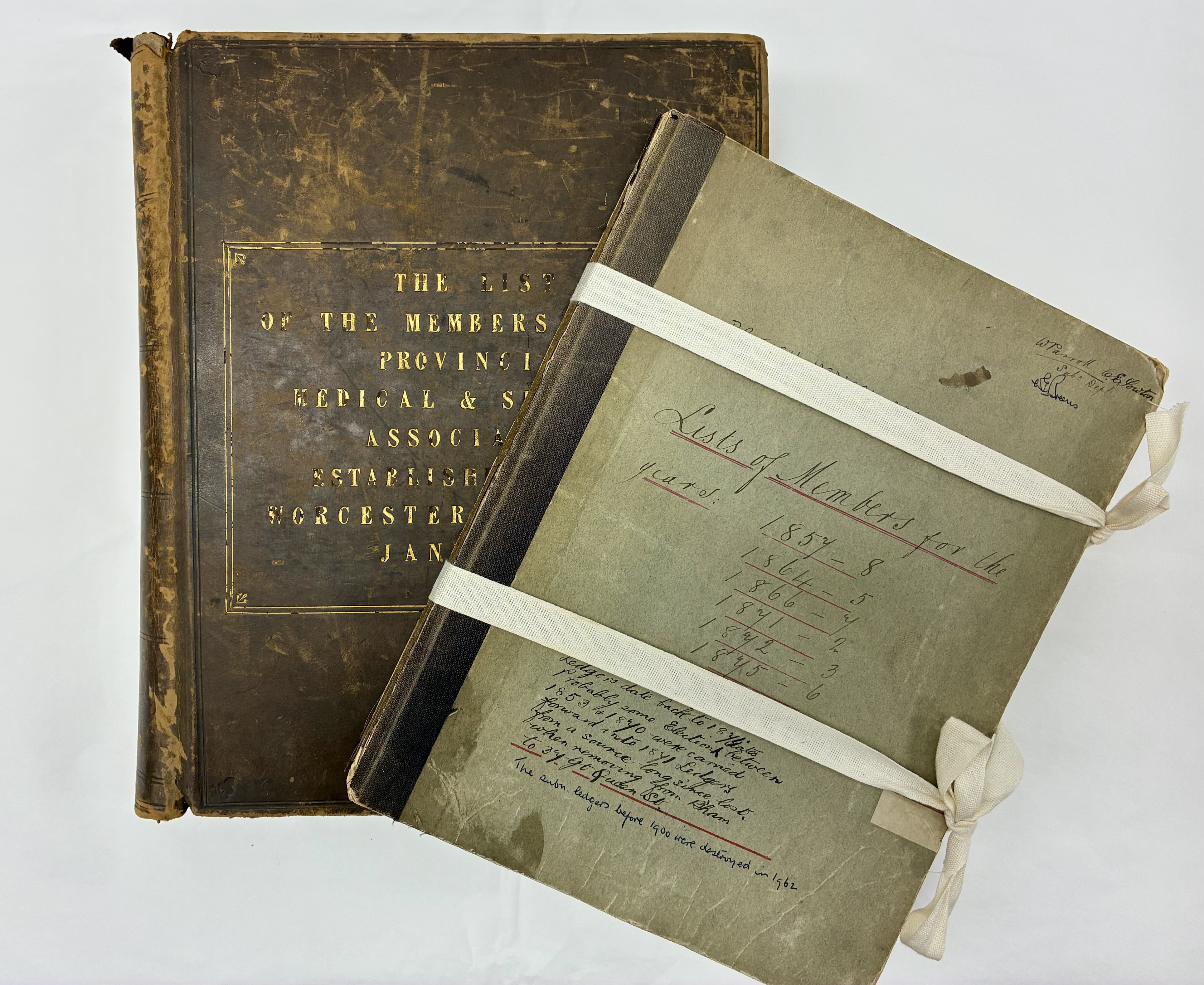
What do the BMA Membership Lists contain?
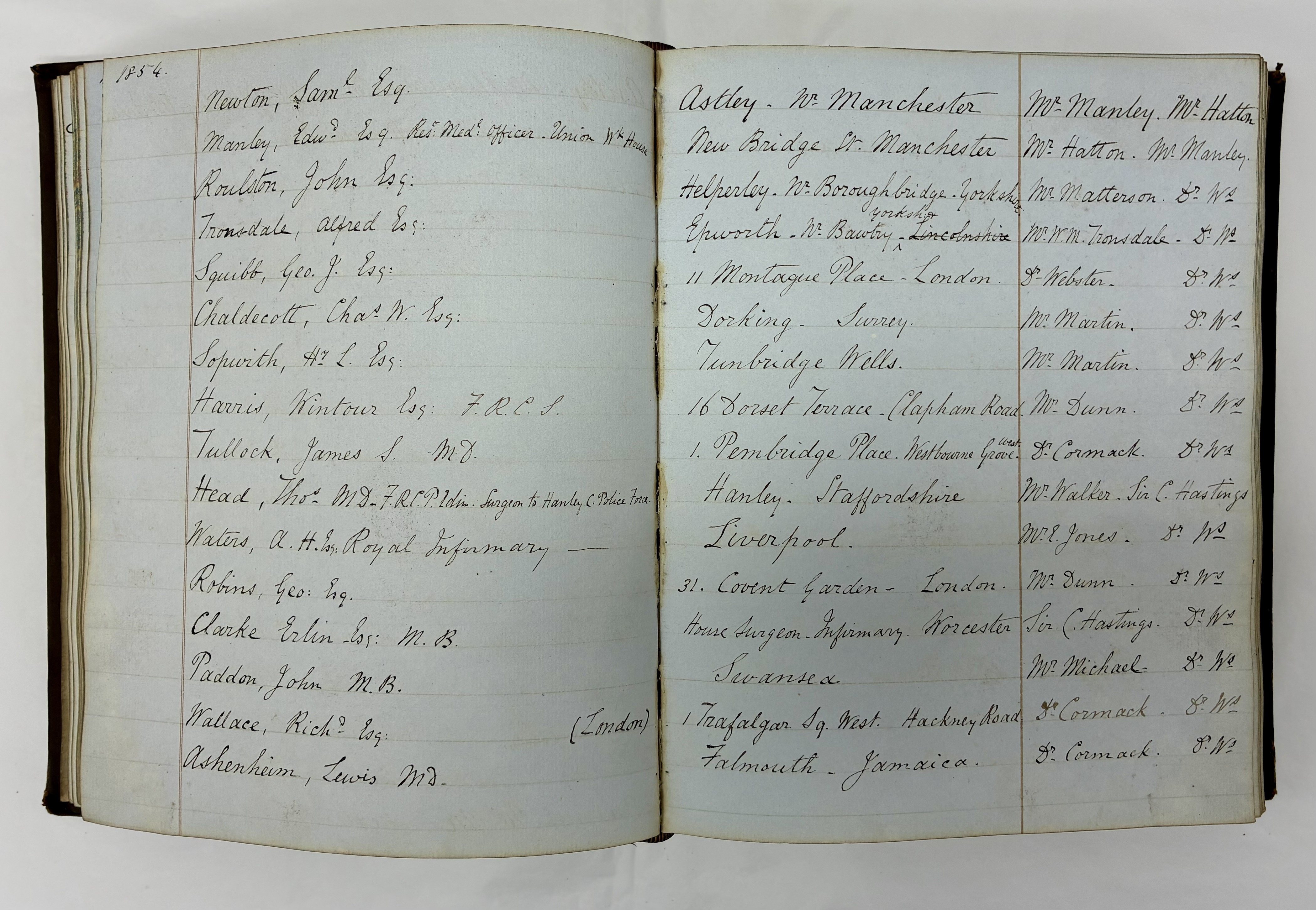
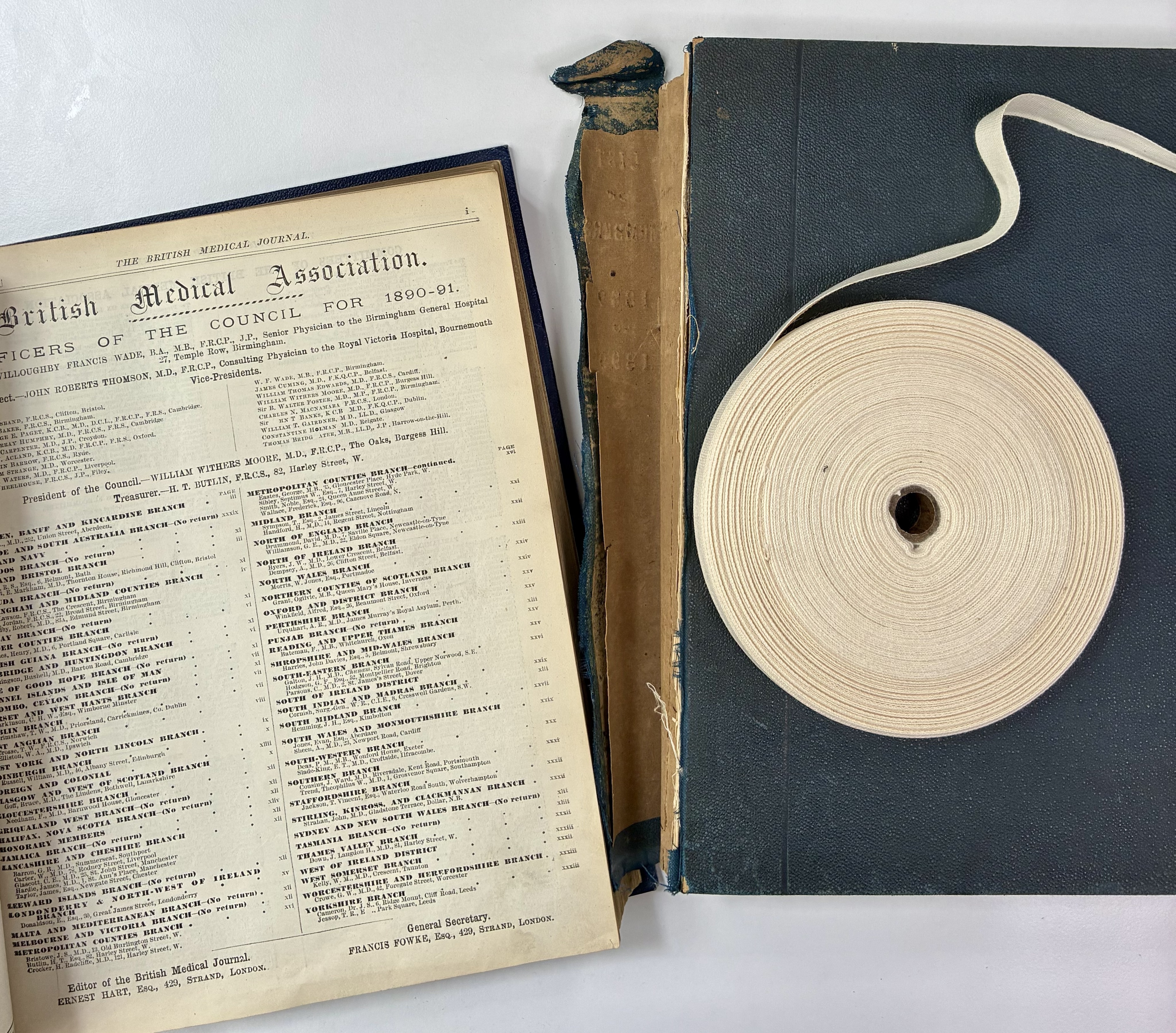
The membership lists cover the first 100 years of the BMA (1842–1936) and provide a detailed record of the Association’s membership. They include officers of Council, committee members, and members of the BMA, typically recording names, qualifications, locations, and places of practice.
The lists are largely arranged into branches and divisions across the United Kingdom and internationally. The lists also include unattached and honorary members, members of the Royal Navy, the Army, the Indian Medical Services and members residing outside the area of any branch.
Although it is unclear exactly when membership lists began to be published, the Provincial Medical and Surgical Association Articles and Byelaws (1854) refer to a list of member subscribers among the publications distributed to members. These lists were published in the British Medical Journal.
The publication of member lists was discontinued after the 1937 Annual Representative Meeting in Belfast. This decision was made with the recommendation of the Council that there was no legal obligation upon the Association to provide such a publication. However, it was decided that the periodical supply to branch and division secretaries of lists of members of their respective branches and divisions should continue.
Notable members identified through the project
The digitised records have already helped us identify several notable historical BMA members, including:
Sir Ronald Ross (1857–1932)
Winner of the 1902 Nobel Prize in Physiology or Medicine for his pioneering research into malaria. Ross first appears in the membership lists in 1886 as a member of the South Indian and Madras Branch and later in the Indian Medical Services lists from 1894 to 1920.
Sir Alexander Fleming (1881–1955)
Physician and microbiologist best known for the discovery of penicillin. Fleming appears in several membership lists, including the 1921 Marylebone Division list.
Sir Harold Gillies (1882–1960)
A pioneer of plastic surgery, renowned for treating soldiers with facial injuries during the First World War. Later in his career, Gillies performed one of the earliest gender-affirming surgeries. He appears in the membership lists from 1920 onwards as a member of the Marylebone Division.
Eleanor Davies-Colley (1874-1934)
Surgeon and the first female fellow of the Royal College of Surgeons (1911) who founded the South London Hospital for Women and Children alongside Maud Chadburn in 1912. She appears in the membership lists from 1911 as a member of the Marylebone Division.
Cecil Belfield Clarke (1894-1970)
Doctor and civil rights activist who is also known for creating Clark’s rule for calculating the paediatric drug dosage. Clarke appears in the member lists from 1920 as part of the Hampstead Division and then as part of the City Division from 1923.
This project has preserved a unique record of the BMA’s first century and made it far more accessible for researchers to explore the history of the Association and its members. To access the member lists, please get in touch with BMAArchive@bma.org.uk

