
Pioneers and Practitioners: Celebrating the Women Who Shape Medicine
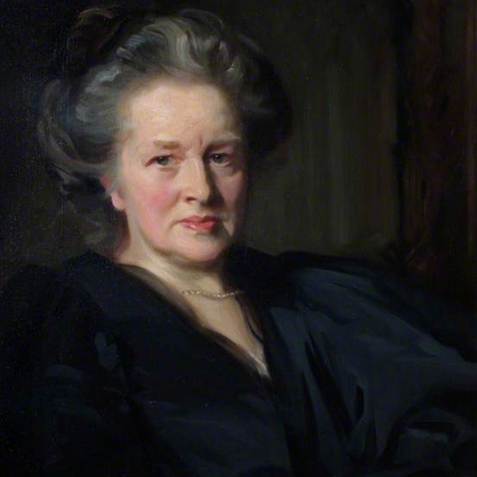
(Elizabeth Garrett Anderson, the first woman member of the BMA, in 1873)
International Women’s Day (IWD), celebrated each year on 8 March, has its roots in early 20th-century labour organising and suffrage movements, grounded in the aim for equality and recognition for women’s contributions across all areas of society. Each year, IWD offers an opportunity to recognise the achievements of women while also reflecting on the challenges women still face today. Within the context of healthcare, this means celebrating both the women who practice medicine, whether this is you, your co-workers, or your boss; as well as the women patients you support.
To mark IWD 2026, BMA Library are proud to launch two new curated collections. These collections bring together resources across two themes:
- Women in Medicine
- Women’s Health
Together, these collections aim to support learning, spark reflection, and contribute to expanding knowledge for delivering more informed, equitable care.
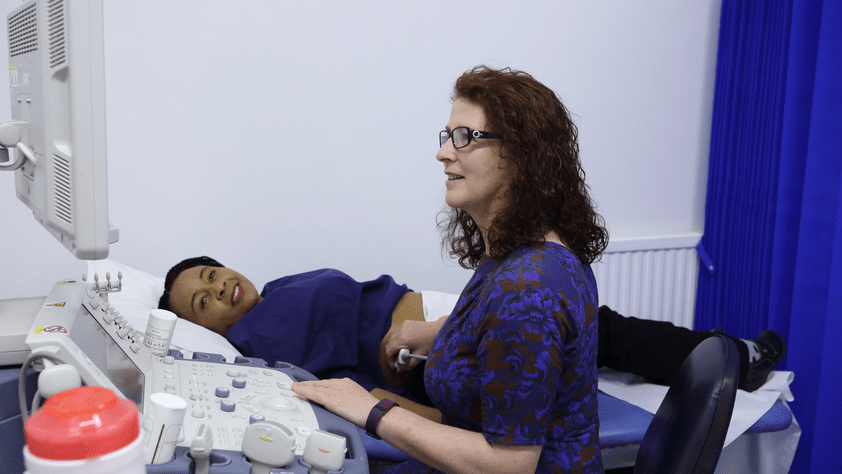
As previously explored in our International Women’s Day 2024 blog post, women members have greatly shaped the trajectory of the BMA. Medicine has changed dramatically over the past century. Women now make up over half of the medical workforce, across many specialties. However, representation alone does not equal equity.
Women doctors continue to face:
– Workplace discrimination
– Disproportionate caring responsibilities in their various forms
– Higher rates of burnout
At the same time, the profession is evolving. Flexible training pathways, growing awareness of workplace culture, and stronger networks of peer support, for women, led by women, are helping to reshape the medical field into one that is ultimately, more equal.
Our Women in Medicine collection attempts to reflect this changing reality. Often, in any library, users seek out literature that reflects them; content and resources that empower and represent them. We want our collections to strengthen and reflect the experiences of all our members. By preserving and sharing our material on Women in Medicine, we hope to support current and future generations of women doctors navigating the profession.
Women’s Health: Addressing Historic Gaps in Research
Women’s health has historically been understudied and underrepresented in research. Many female-specific conditions under-researched and under-funded, resulting in an effect on clinical practice. This ties into trends in many other research industries historically.
Thankfully it is not all doom and gloom. There is now growing recognition across research, policy, and clinical communities that sex-specific data and gender-sensitive care are essential for safe and effective medicine. Our new Women’s Health collection aims to contribute to this shift by highlighting key areas where there have historically been knowledge gaps.
While the scope of women’s health is vast, the collection, to begin, focuses on three areas of research:
Endometriosis
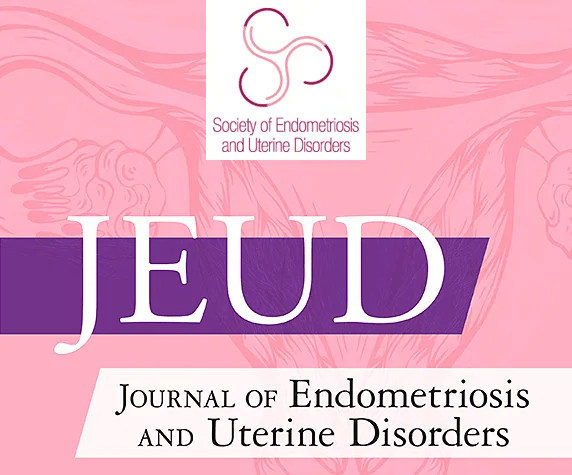
A chronic and often debilitating condition that can take years to diagnose, in international healthcare contexts. Increased awareness and research are improving pathways to earlier recognition and management. Some examples of our titles include
1. Endometriosis-related infertility: A Comprehensive Manual by Simone Ferrere
2. Endometriosis: Science and Practice by Linda Giudice
3. Journal of endometriosis and uterine disorders
Menopause
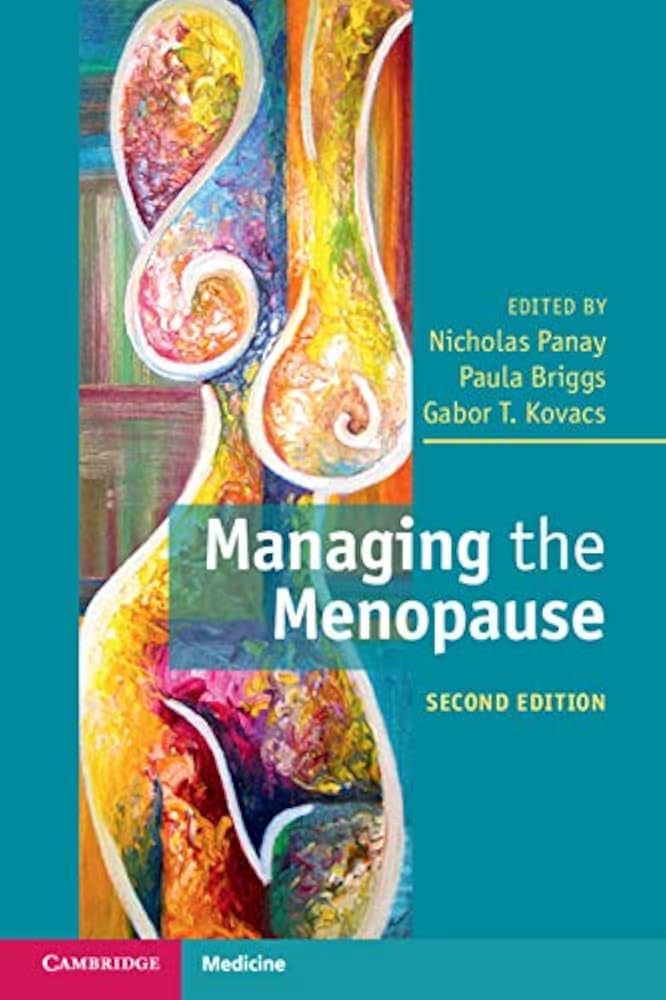
Despite affecting half the population, menopause care has historically been inconsistent. Recent years have seen much growth in research, clinical guidance and public awareness. Some examples of our titles include:
1. Managing the Menopause by Nicolas Panay, Paula Briggs, and Gabor Kovacs
2. Management of Menopause: A Guide for Practitioners by Ruchika Gar
3. Storying the Menopause: An Evocative Auto/ethnography by Shanta Everington
Chronic Fatigue Syndrome (ME/CFS)
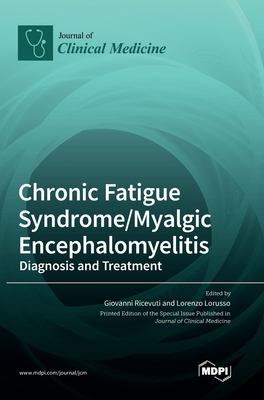
While this is not a women-specific condition, Chronic Fatigue Syndrome disproportionately affects women and historically has faced challenges around recognition, stigma, and research funding. Examples of our titles include:
1. Chronic Fatigue Syndrome/Myalgic Encephalomyelitis: Diagnosis and Treatment by Lorenzo Lorusso and Giovanni Ricevuti
2. ME/CFS – the Severely and Very Severely Affected by Lucinda Bateman, Kenny Leo De Meirleir, and Kenneth Friedman
3. Exercise therapy for chronic fatigue syndrome by Lillebeth Larun, Kjetil G Brurberg, Jan Odgaard-Jensen, and Jonathan R Price
Shaped by Our Members
Even after IWD 2026, this collection will remain a living resource on our library platform. We actively welcome suggestions for new materials or topic areas.
In fact, the original idea for a Women in Medicine collection came from one of our members, who got in touch with us by email: bma-library@bma.org.uk. Member feedback shapes our priorities. We aim to represent and reflect all our members.
If you would like to see more curated collections in an area of your interest, get in touch.
Across the wider BMA, we are committed to an open and inclusive culture for all members. Our Equality, diversity and inclusion team have a lot of resources for women members of the BMA. We believe it is vital to amplify all voices. See further resources here.
 BMA library and archive blog