
BMA House 100 Exhibition
2025 marks the 100th anniversary of BMA House. In 1925, the British Medical Association moved from 429 The Strand to its new home in Tavistock Square.
The official opening ceremony of BMA House was on 13 July 1925. We have put together an online exhibition featuring an timeline spanning the 100 years of BMA House. Keep on reading this blog for some behind the scenes additions.
The BMA archives contain a vast amount of material where the building and its architecture are either the main subject, or the backdrop of the BMA’s everyday life and special events.
Here are a few photographs of rooms in BMA House, taken in the late 1920s. At this point, two architects had successively created parts of the building, Edwin Lutyens and Cyril Wontner-Smith.
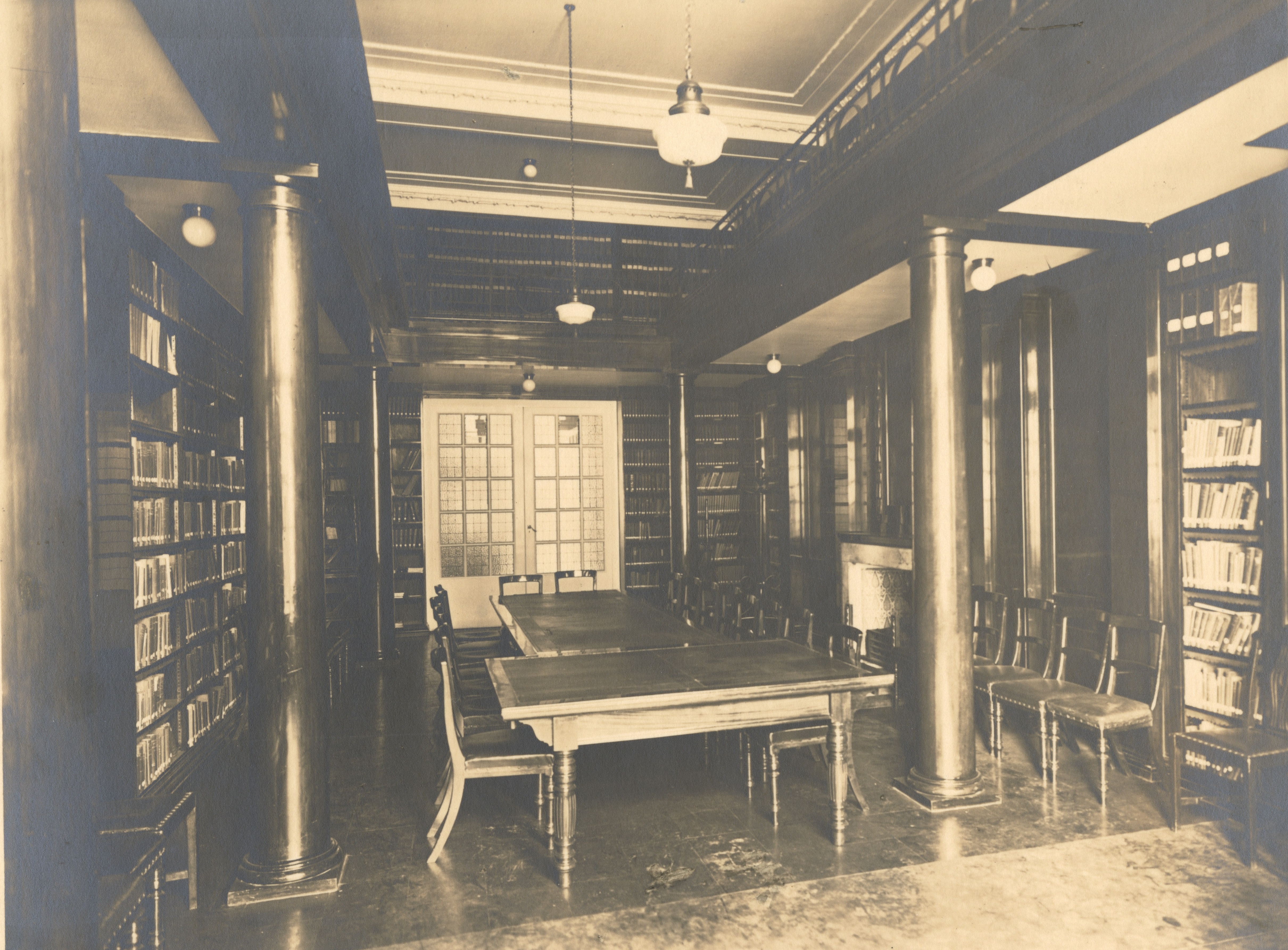
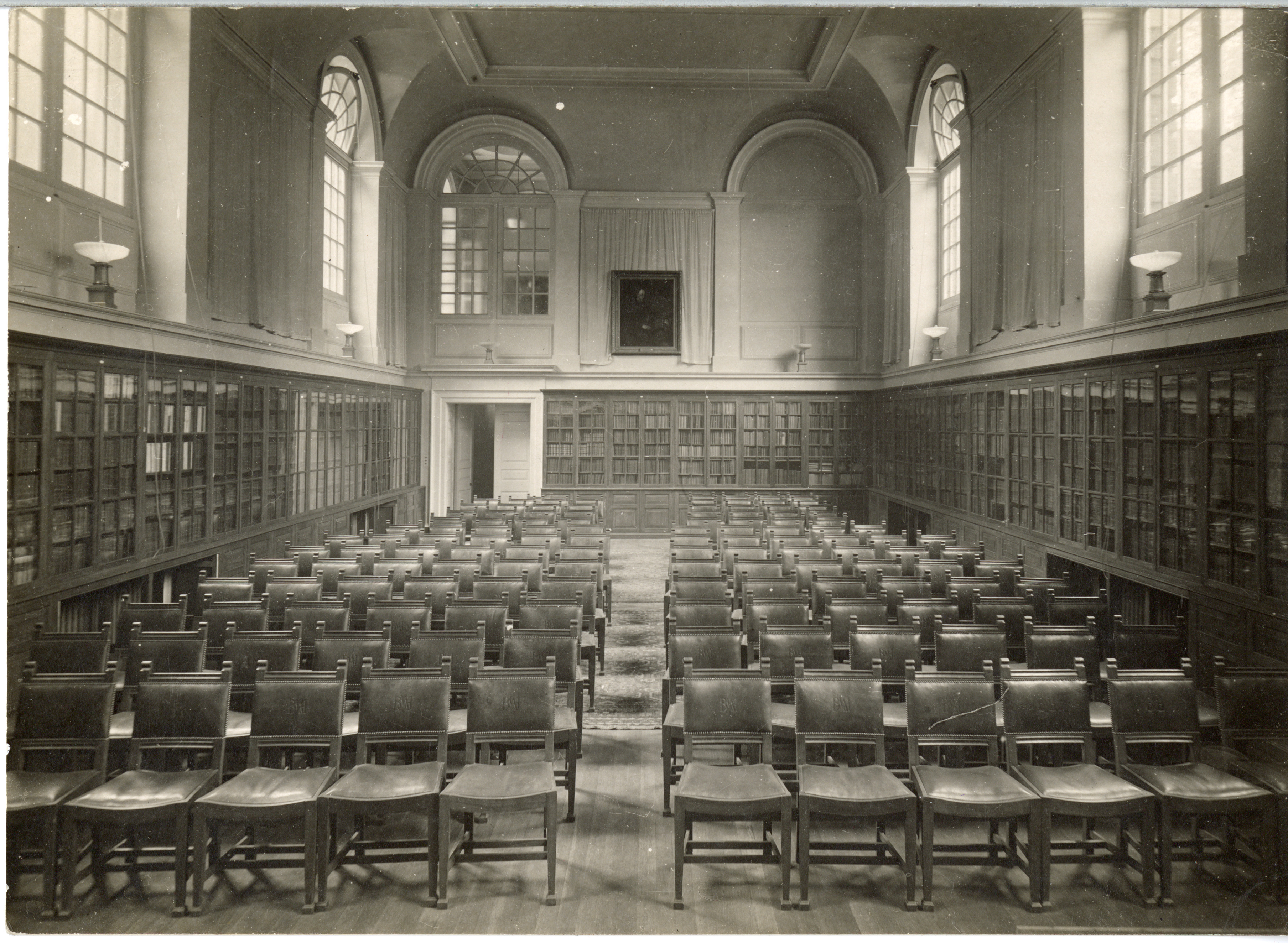

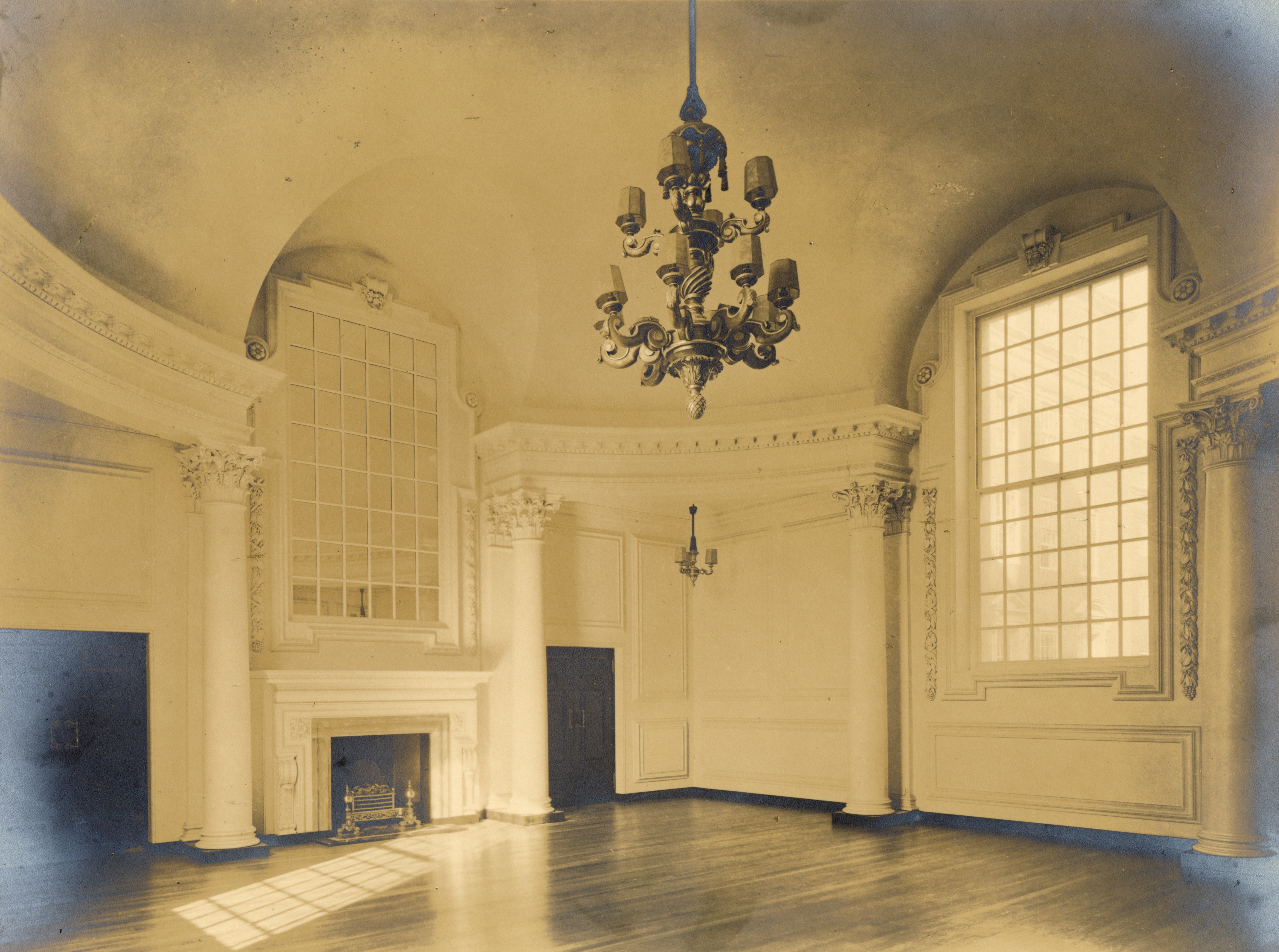
To help us better understand the history and evolution of the building, we also have in the archive several plans and elevations from the various architects who have worked on BMA House over the years
Here you can compare two plans of the ground floor, from 1924 and 1952. 1924 shown upside down to keep the same orientation.


We also have further information regarding the War Memorial fountain, which is not on the 1952 plan, as it was created two years later, in 1954.

The fountain in the courtyard, created by James Woodford (sculptor) and S. Rowland Pierce (architect) as a World War II memorial, was originally chosen from several projects entered in a competition. You can see a copy of their proposition, ‘Exhibit 3’ (BMA Archive Ref. C/18/4/7/1), as part of the exhibition online and in the Hastings room.
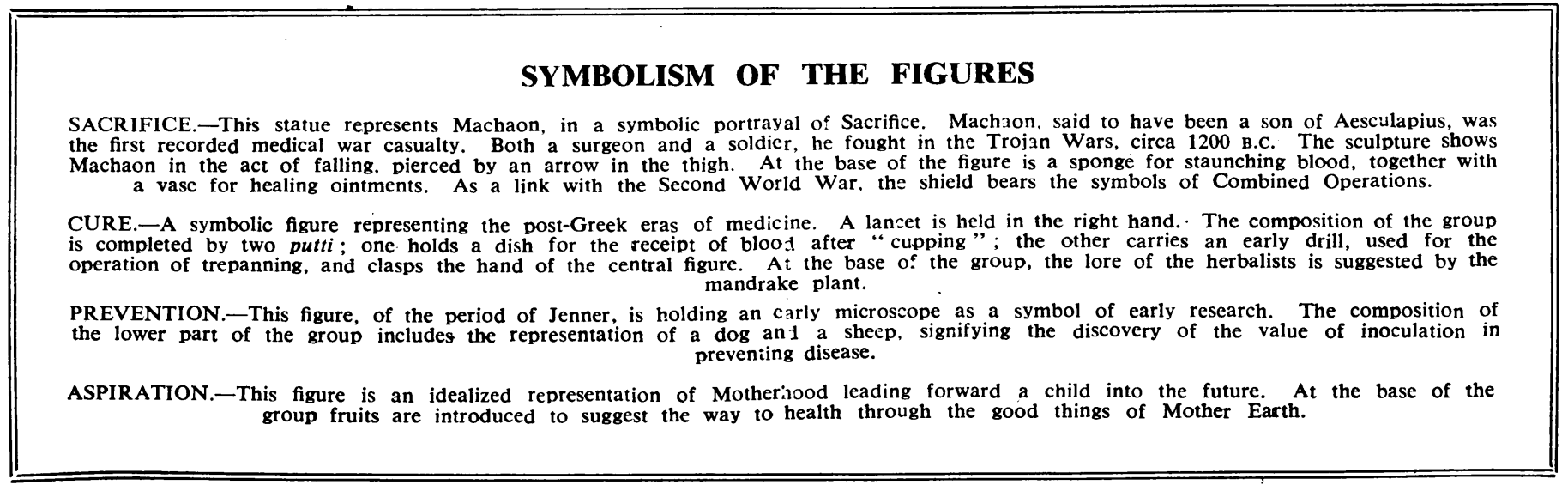
Ever wondered what the sculptures represent?
In November 1954, an article published in the BMJ on the dedication ceremony of the War Memorial fountain gave the sculptor’s explanation of the symbolism of these figures. Have a look and see if you can identify them:
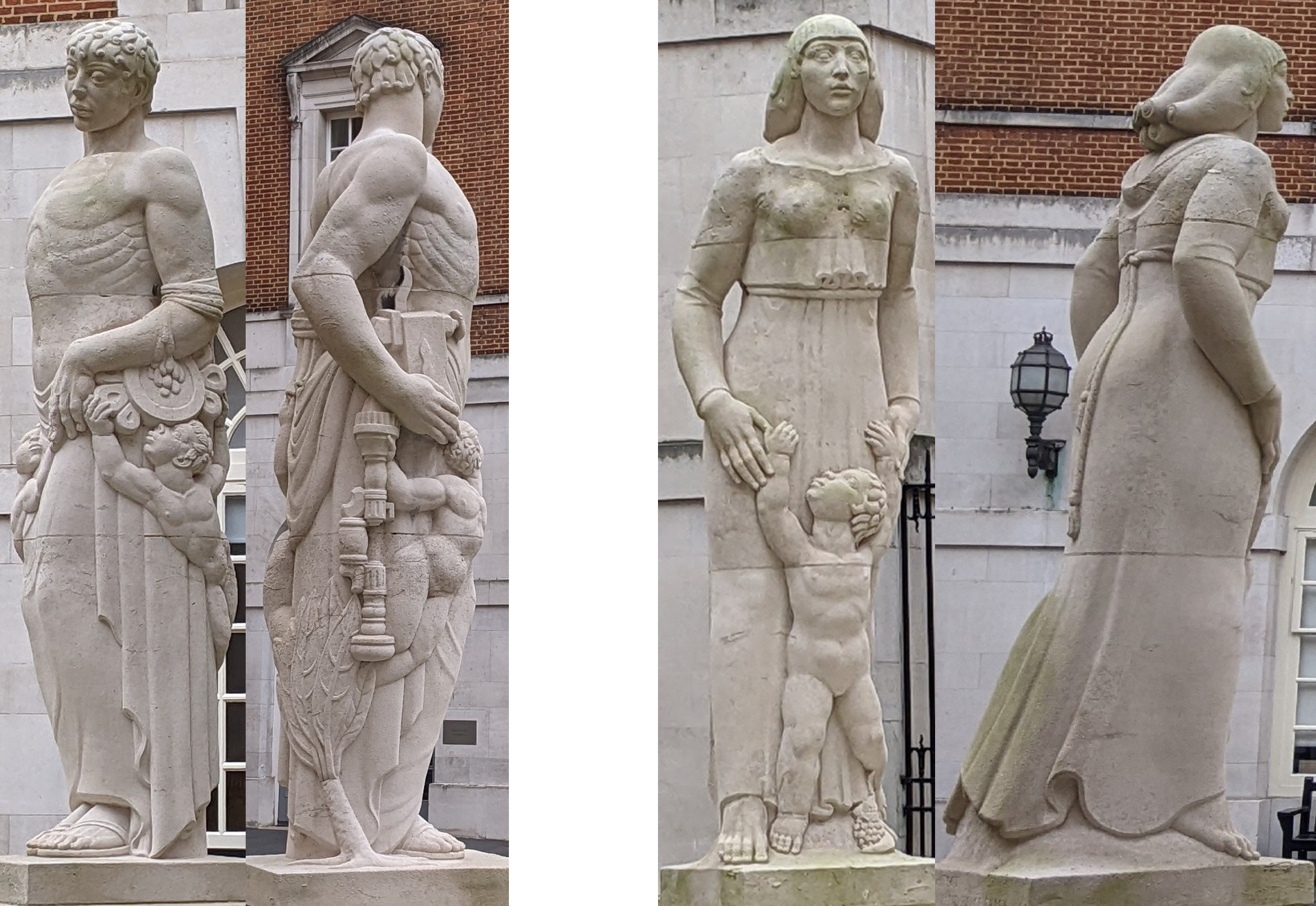
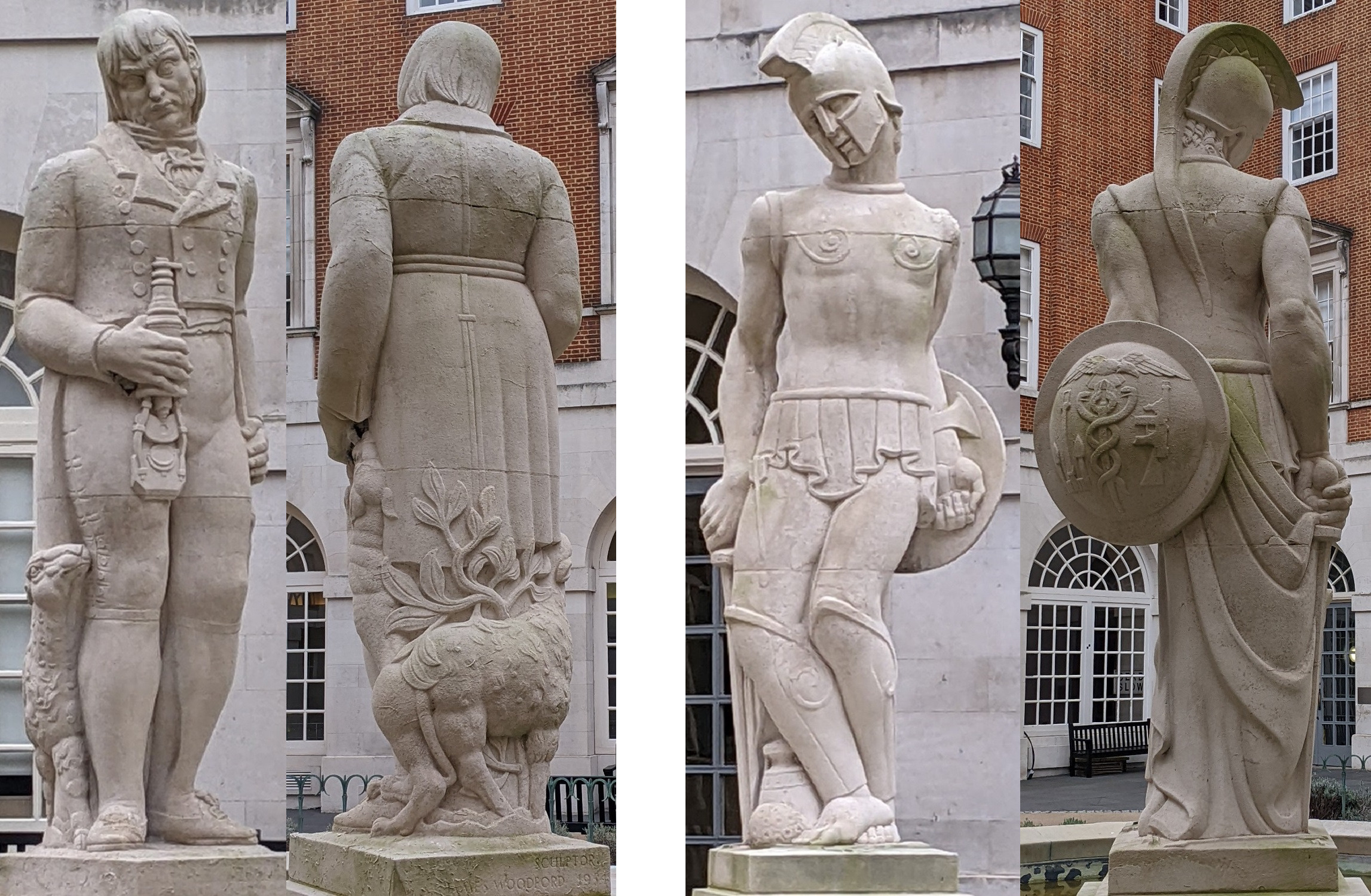
You can see the fountain and sculptures in detail during the London Open Gardens weekend in June
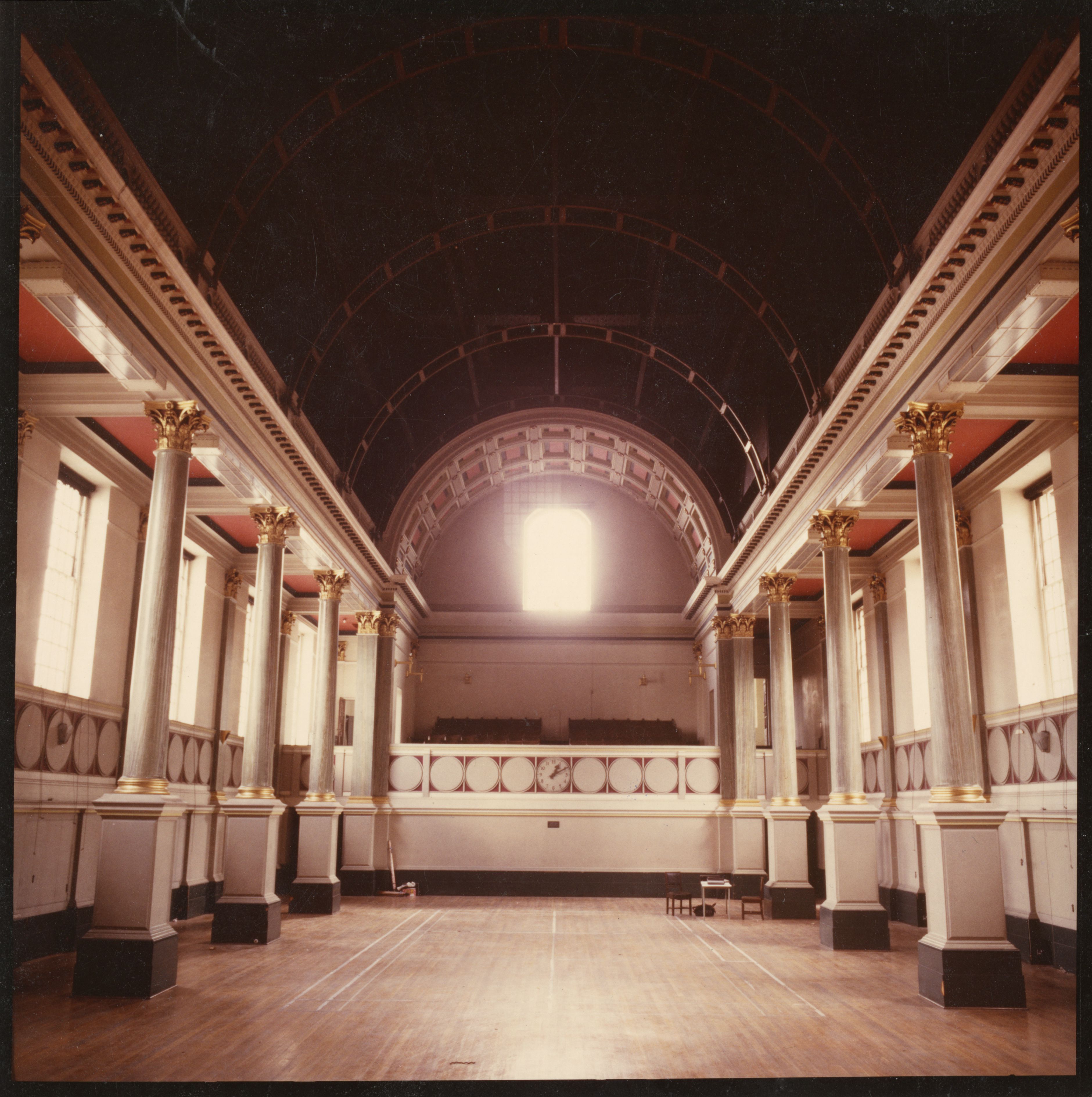
If you have viewed the exhibition, you will have seen how the Great Hall served several purposes over the years. Here is an extra one that didn’t make the final exhibition, the badminton court of the 1970s-80s, in between events of course. The badminton net is removed, but you can see the lines on the ground:
If you are interested in learning more, or visiting the archive, please get in contact with BMAArchive@bma.org.uk.
 BMA library and archive blog